Is Sunflower Oil Bad for Health? 5 Reasons to Limit It
Understanding the health effects of sunflower oil and why many nutrition experts recommend limiting refined vegetable oils.
Sunflower oil is widely used in cooking and processed foods, but is it healthy? Learn five reasons why sunflower oil may not be the best oil for everyday use.

Elena Cholovska, DipNT, mANP
CNM-trained Nutritional Therapist specialising in thyroid & women’s hormonal health
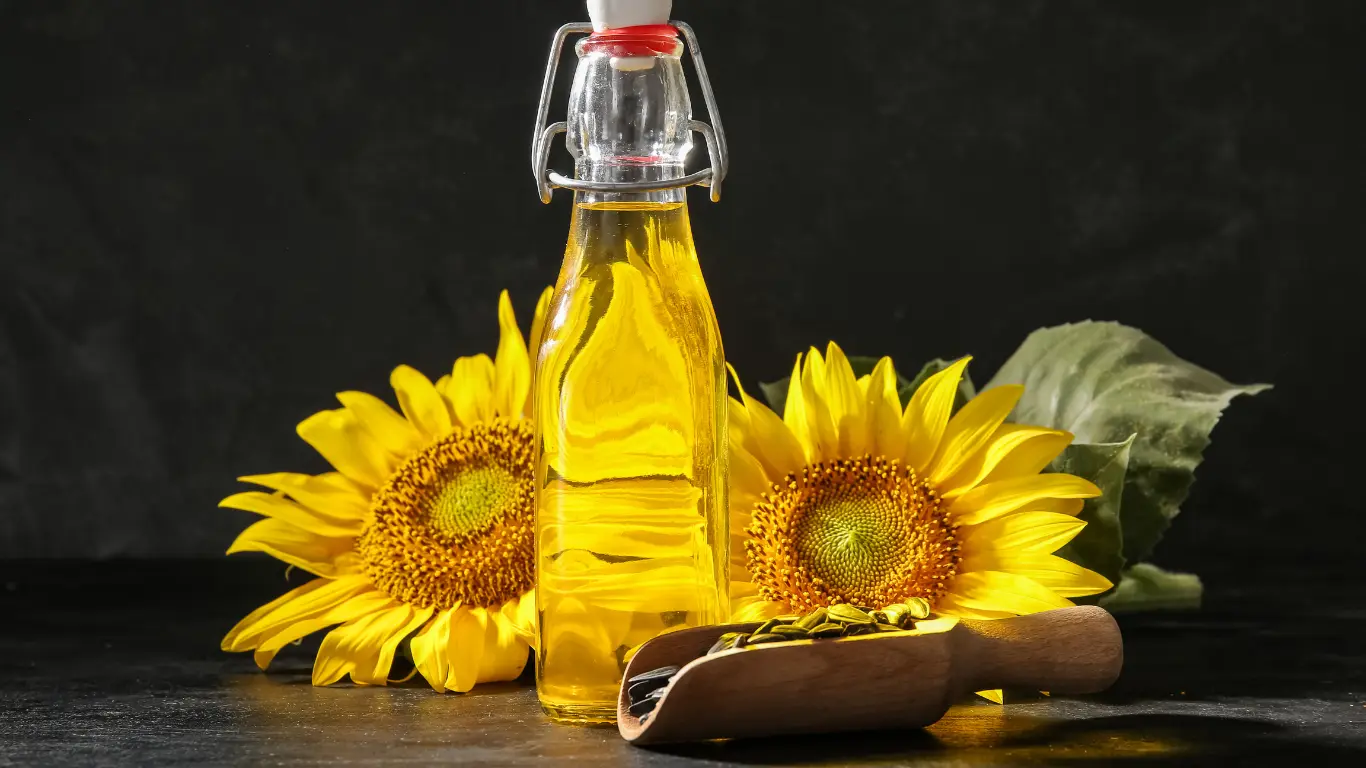
Sunflower oil is one of the most commonly used cooking oils in the world. It is found in home kitchens, restaurants, and many packaged foods.
Because it comes from sunflower seeds, many people assume it must be a healthy choice. However, the nutritional profile of sunflower oil raises some important questions, especially when it is consumed frequently.
Sunflower oil is not necessarily harmful in small amounts. However, it is very high in omega-6 fats, often highly processed, and widely used in ultra-processed foods. For this reason, many nutrition experts suggest limiting refined vegetable oils and choosing more stable fats instead.
Below are five reasons why sunflower oil may not be the best oil to use every day.
1. Sunflower Oil Is Very High in Omega-6 Fats
Sunflower oil contains large amounts of omega-6 fatty acids, especially a fat called linoleic acid.
Our bodies need omega-6 fats, but modern diets already provide more than enough of them. Many people today consume far more omega-6 fats than omega-3 fats.
When this balance becomes uneven, it may support processes in the body linked with inflammation.
Foods that already contain high amounts of omega-6 fats include:
- vegetable oils
- processed snacks
- ready meals
- fast food
Because sunflower oil is rich in omega-6 fats, using it frequently may increase this imbalance. Diet quality like this is also one of the contributing factors behind thyroid-related weight resistance, alongside the hormonal and metabolic causes.
2. Most Sunflower Oil Is Highly Processed
The sunflower oil commonly sold in supermarkets is usually refined oil.
To produce refined oils, manufacturers often use several industrial processes, including:
- high heat
- chemical extraction
- filtering and deodorising
These steps help make the oil stable and neutral in flavour. However, they can also remove some natural compounds that are present in sunflower seeds.
As a result, refined sunflower oil mainly provides fat without many additional nutrients.
3. It Can Break Down at High Cooking Temperatures
Sunflower oil contains a high proportion of polyunsaturated fats, which are sensitive to heat.
When sunflower oil is heated to high temperatures, especially during frying, these fats can begin to break down.
This process may create oxidised compounds, which are not ideal to consume regularly.
This is particularly common when sunflower oil is used for:
- deep frying
- repeated heating
- fast-food cooking
4. Sunflower Oil Is Hidden in Many Processed Foods
Even if you do not cook with sunflower oil at home, you may still be eating it often.
Food manufacturers frequently use sunflower oil because it is inexpensive and has a neutral taste.
You will commonly find it in:
- crisps and snack foods
- salad dressings
- sauces and spreads
- ready meals
- baked goods
Because of this, many people consume sunflower oil several times per day without realising it.
5. There Are Healthier Oils for Everyday Cooking
Some cooking fats offer a better balance of nutrients and are more stable when heated.
Examples include:
- extra virgin olive oil, which is rich in monounsaturated fats and beneficial plant compounds
- avocado oil, which is relatively stable at higher temperatures
- butter or ghee, used in moderate amounts
Using these oils more often and limiting refined vegetable oils can help support a healthier balance of fats in the diet.
Is Sunflower Oil Always Bad?
Sunflower oil is not dangerous when consumed occasionally.
The main concern is how often it appears in modern diets, especially through processed foods and restaurant meals.
Reducing your intake of highly refined vegetable oils and focusing more on whole foods may help improve overall nutrition.
The Bottom Line
Sunflower oil is widely used, but it may not be the best oil for everyday cooking.
It is high in omega-6 fats, usually highly processed, and commonly found in ultra-processed foods.
Choosing more stable fats such as olive oil and limiting processed foods may help support a healthier balance of dietary fats.
Frequently Asked Questions
Is sunflower oil bad for your health?
Sunflower oil is not harmful in small amounts. However, frequent consumption may not be ideal because it is very high in omega-6 fats and commonly used in processed foods.
Is sunflower oil inflammatory?
Sunflower oil contains high levels of omega-6 fatty acids. When omega-6 intake becomes much higher than omega-3 intake, it may support inflammatory processes in the body.
Is sunflower oil healthier than olive oil?
Extra virgin olive oil is generally considered a healthier option because it contains mostly monounsaturated fats and beneficial plant compounds.
Can sunflower oil be used for cooking?
Yes, sunflower oil can be used for cooking. However, many people prefer more stable oils such as olive oil or avocado oil for everyday cooking.
Elena Cholovska, DipNT, mANP
CNM-trained Nutritional Therapist specialising in thyroid health, including hypothyroidism, Hashimoto’s, hyperthyroidism and Graves’ disease, as well as thyroid-related fatigue, weight resistance, and hormone transitions. I provide evidence-informed nutrition and lifestyle support that complements medical care and is tailored to symptoms, labs, and real-life constraints. Consultations are online in English, Ukrainian, and Russian.