Should You Go Gluten-Free for Hashimoto’s? What Actually Matters for Thyroid Health
Gluten, Hashimoto’s, and why removing one food rarely solves thyroid dysfunction on its own.
Gluten is one of the most debated topics in thyroid health. This article explores how gluten may influence Hashimoto’s in some people, why going gluten-free often doesn’t resolve symptoms, and what truly matters for long-term thyroid and immune balance.

Elena Cholovska, DipNT, mANP
CNM-trained Nutritional Therapist specialising in thyroid & women’s hormonal health
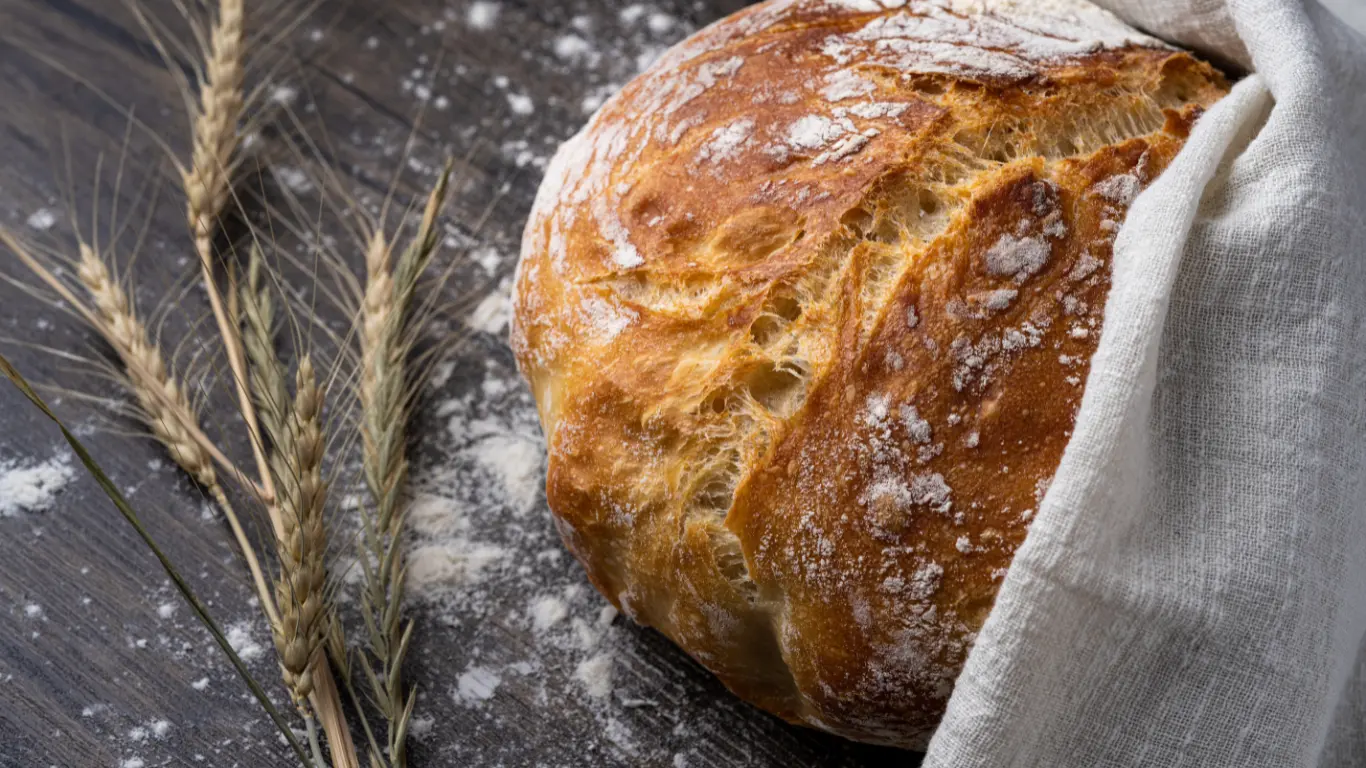
In my private clinical practice, this is one of the questions I hear most often: Should I go gluten-free for my thyroid? It comes in different forms - does gluten affect TSH, is gluten bad for Hashimoto's, do I need to stop gluten with Hashimoto's - but the underlying concern is always the same. People are not looking for another rigid rule; they are looking for clarity and reassurance in a situation that already feels overwhelming.
Gluten has become one of the most debated topics in thyroid health. Some people remove it and feel noticeably better. Others go gluten-free for months, sometimes years, and remain exhausted, inflamed, and confused. Many end up wondering whether the effort is truly worth it, or whether they are missing something more important.
There is a reason this question refuses to go away but the answer is rarely simple.
Gluten can worsen symptoms for some people with Hashimoto's, but it is not the cause of the condition, and going gluten-free on its own rarely resolves thyroid dysfunction. What matters more is gut health, liver function, stress, and micronutrient status working together.
Does gluten affect Hashimoto's?
From a scientific perspective, gluten can influence autoimmune thyroid disease in certain individuals. Research shows that gluten may increase intestinal permeability and immune activation, particularly in genetically susceptible people. Some components of gluten share structural similarities with thyroid tissue, which may increase immune cross-reactivity and inflammatory signalling.
This mechanism helps explain why gluten removal is essential in people with coeliac disease and why some individuals with Hashimoto's experience symptom relief after eliminating gluten. Reducing immune stimulation can lower part of the inflammatory burden.
However, this does not mean gluten is the root cause of Hashimoto's. Autoimmune thyroid disease develops over time, often under the combined influence of stress, nutrient depletion, gut dysfunction, hormonal imbalance, and immune dysregulation. Gluten may be one contributing factor but it is rarely the driver on its own.
In clinical practice, I regularly work with clients who have been strictly gluten-free and still struggle with fatigue, brain fog, weight changes, mood disturbances, or fluctuating antibodies. This does not mean gluten-free "doesn't work"; it means that autoimmune thyroid disease cannot be reduced to a single dietary trigger.
Does gluten affect TSH?
TSH is often viewed as a purely thyroid-specific marker, but in reality it reflects how the brain responds to overall physiological load. Chronic inflammation, immune activation, blood sugar instability, nutrient deficiencies, and stress all influence TSH signalling.
Gluten may indirectly affect TSH when it contributes to gut inflammation or immune activation, particularly in sensitive individuals. In those cases, removing gluten can support more stable TSH levels. But changes in TSH are rarely explained by gluten alone.
I frequently see elevated or unstable TSH in people who are already gluten-free but are under-eating, consuming insufficient protein, sleeping poorly, or living in a state of chronic stress. In these situations, focusing solely on gluten creates a false sense of control while more influential factors remain unaddressed.
TSH does not respond to restriction; it responds to safety, nourishment, and metabolic stability.
Do you need to stop gluten with Hashimoto's?
This is the question most people truly want answered - and the honest response is that there is no universal rule.
For some individuals, removing gluten reduces digestive symptoms, eases immune activation, and improves overall wellbeing. For others, it makes very little difference unless additional foundations are addressed at the same time. And for some, gluten-free living becomes an added stressor, socially, emotionally, and nutritionally, without delivering meaningful benefits.
Hashimoto's is not caused by gluten consumption. It is a condition rooted in immune dysregulation, often shaped by years of stress, nutrient depletion, digestive compromise, and metabolic strain. Gluten may exacerbate symptoms in certain contexts, but it is rarely the decisive factor.
This is why blanket recommendations so often fail. What matters is not whether gluten is removed, but whether the body is supported as a whole.
Why gluten-free alone is not enough for thyroid health
One of the most persistent misconceptions in thyroid nutrition is the belief that eliminating a single food will restore balance. Thyroid health reflects the state of the entire system, not just dietary choices.
Gut health plays a central role, particularly in autoimmune conditions. Around 70-80% of the immune system is located in the gut, within the gut-associated lymphoid tissue. If the intestinal barrier is compromised, digestion is weak, or the microbiome lacks diversity, immune activation continues regardless of whether gluten is present.
Liver health is another frequently overlooked factor. The liver is responsible for converting a significant portion of thyroid hormone into its active form and for clearing excess hormones. When liver function is compromised, due to chronic stress, inflammation, medications, alcohol, sluggish bile flow, or nutrient deficiencies, thyroid hormone metabolism suffers. Many people focus exclusively on the thyroid gland while ignoring the organ that determines how effectively thyroid hormones actually work.
Stress is equally critical. Chronic psychological and physiological stress suppresses T4-to-T3 conversion, alters cortisol patterns, increases reverse T3, and disrupts TSH signalling. I often see clients who are eating "clean," sometimes even gluten-free, yet living in constant survival mode, sleeping poorly, and feeling depleted. No dietary adjustment can override an overloaded nervous system.
Micronutrient status also matters deeply. Vitamin D, selenium, zinc, iron, iodine, and magnesium all play essential roles in thyroid function and immune regulation. One of the most consistent patterns I see is insufficient protein intake. Protein provides the amino acids needed for hormone synthesis, liver detoxification, immune balance, and blood sugar stability. Without adequate protein, thyroid recovery is limited, regardless of gluten intake.
The bottom line on gluten and thyroid health
Gluten-free is not a cure for Hashimoto's or thyroid dysfunction. For some people, it can be a helpful adjustment. For others, it is neutral. And for some, it becomes an unnecessary burden when more important factors remain unresolved.
Thyroid health is never about one food. It is about creating the conditions in which the body feels supported and safe enough to regulate itself again, through adequate nutrition, digestive and liver support, stress management, sleep, and personalised care.
Gluten-free may be one part of that process, but it is never the whole strategy.
Frequently Asked Questions
Does gluten affect TSH levels directly?
Not usually on its own. Gluten mainly influences TSH indirectly, by contributing to gut inflammation or immune activation in sensitive individuals. Removing gluten can support more stable TSH in those cases, but stress, sleep, and nutrient status usually have a bigger impact than gluten alone.
How long should I try gluten-free before deciding if it helps my Hashimoto's?
Most people need at least 4-8 weeks of full elimination to judge a genuine response. Track symptoms as well as antibody levels, since antibodies can fluctuate for reasons unrelated to diet and a single test rarely tells the full story.
Can I have Hashimoto's without any gluten sensitivity at all?
Yes. Hashimoto's develops from a combination of genetic susceptibility, stress, nutrient depletion, gut and liver function, and immune dysregulation. Gluten is one possible contributing factor, not a universal trigger, so many people with Hashimoto's see no change at all when they remove it.
Do people with Hashimoto's have to go gluten-free?
No, not universally. There's no blanket rule that applies to everyone with Hashimoto's. Some people notice real symptom relief after removing gluten, others see little change, and for some it becomes an added stressor without meaningful benefit. It's worth trialling deliberately rather than assuming it's mandatory or pointless.
What are the benefits of a gluten-free diet for Hashimoto's or hypothyroidism?
For people who are gluten-sensitive, removing it can lower gut inflammation and immune activation, which may ease digestive symptoms and, in some cases, support more stable TSH. It is not a guaranteed benefit for everyone with Hashimoto's, and it works best alongside gut, liver, stress, and nutrient support rather than alone.
How does gluten affect the thyroid?
In genetically susceptible people, gluten may increase intestinal permeability and immune activation, and some of its structural components resemble thyroid tissue closely enough to increase immune cross-reactivity. This can add to the inflammatory load already present in autoimmune thyroid disease, though it is one contributing factor among several, not the underlying cause.
Elena Cholovska, DipNT, mANP
CNM-trained Nutritional Therapist specialising in thyroid health, including hypothyroidism, Hashimoto’s, hyperthyroidism and Graves’ disease, as well as thyroid-related fatigue, weight resistance, and hormone transitions. I provide evidence-informed nutrition and lifestyle support that complements medical care and is tailored to symptoms, labs, and real-life constraints. Consultations are online in English, Ukrainian, and Russian.